Technology / Automation
Automation
Automation: Letting Systems Handle Repetitive Work
Automation uses technology to perform tasks with minimal manual effort — from simple scheduled actions to multi-step workflows that connect several systems.
Overview
What Is Automation?
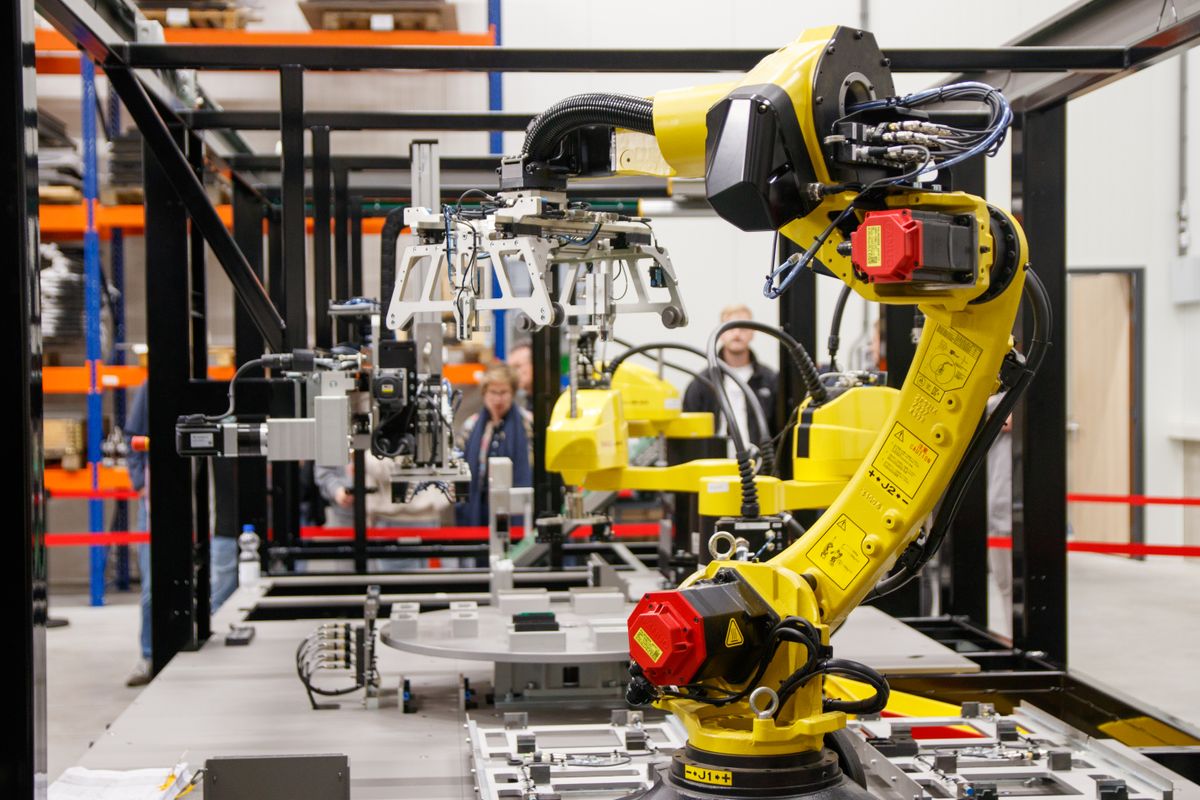
Automation can be as simple as an email rule or as involved as a workflow that moves data between applications, generates documents, and notifies the right people. In manufacturing, it also includes robotics and machine control.
The best candidates for automation are tasks that are repetitive, rule-based, and well understood. Automating an unclear or broken process usually makes problems happen faster rather than solving them.
At a Glance
Best for repetitive, rule-based tasks
Ranges from simple rules to full workflows
Often connects multiple systems
Needs monitoring and maintenance
Key Concepts
Terms and Ideas to Know
Workflow Automation
Sequences of steps that run automatically when a condition or event occurs.
Triggers & Actions
A trigger starts an automation; actions are the steps it carries out.
Robotic Process Automation
Software bots that mimic user actions in applications without built-in integrations.
Integrations
Connections that let automated workflows pass data between tools.
Scheduling
Running tasks at set times, such as nightly reports or backups.
Exception Handling
Rules for what happens when an automated step fails or receives unexpected input.
Common Uses
Where Automation Is Used
Typical applications across organizations of different sizes and industries.
Data entry & transfer
Moving information between systems without retyping it.
Notifications & approvals
Routing requests and alerting the right people at the right time.
Report generation
Producing recurring reports and documents automatically.
Physical processes
Robotics and machine control in manufacturing and logistics.
Before You Adopt
Questions to Consider
Use these questions to evaluate tools, plans, and proposals related to automation.
Is the process stable and clearly documented?
How much time or error will automation realistically save?
What happens when a step fails?
Who owns and maintains the automation?
What access does the automation need to other systems?
How will you know it is still working correctly?
Related Topics
Continue Exploring
Artificial Intelligence
How AI and machine learning work, and their limits.
Explore More Technology Topics
See all six technology areas or browse our guides and checklists.