Technology / Cloud Technology
Cloud Technology
Cloud Technology: Computing Delivered as a Service
Cloud technology provides computing resources — servers, storage, databases, and software — over the internet, so organizations can use them without owning and maintaining all of the underlying hardware.
Overview
What Is Cloud Technology?
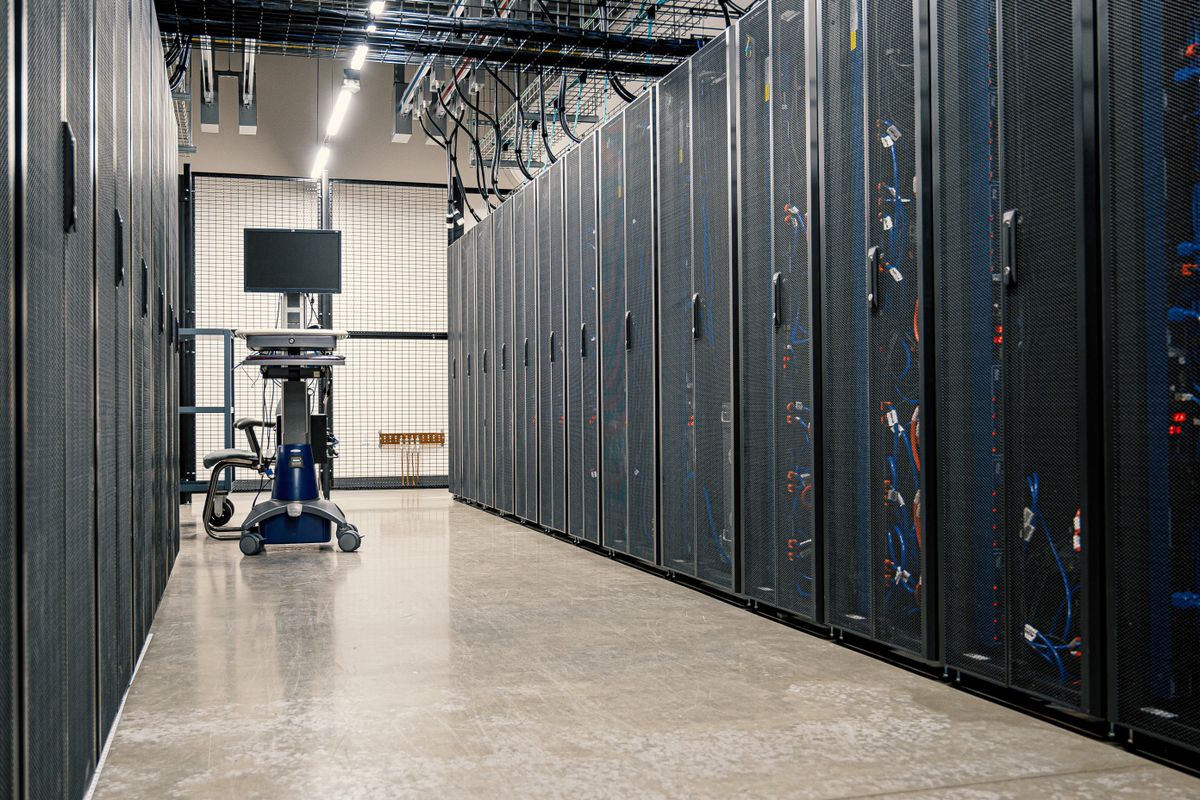
Instead of running every system on equipment in their own building, organizations can rent capacity from cloud providers that operate large data centers. Resources can typically be increased or reduced as needs change.
The cloud shifts some responsibilities to the provider, but not all of them. Under the shared responsibility model, customers generally remain responsible for how they configure services, manage access, and protect their data.
At a Glance
Resources delivered over the internet
Capacity that can scale up or down
Usage-based or subscription pricing
Shared responsibility for security
Key Concepts
Terms and Ideas to Know
Infrastructure as a Service
Virtual servers, storage, and networking rented on demand.
Platform as a Service
Managed environments for building and running applications.
Software as a Service
Complete applications delivered online.
Public, Private & Hybrid
Deployment models that differ in who uses the infrastructure and where it runs.
Scalability
The ability to add or remove capacity in response to demand.
Shared Responsibility
The division of security duties between the provider and the customer.
Common Uses
Where Cloud Technology Is Used
Typical applications across organizations of different sizes and industries.
Hosting websites & apps
Running online services without managing physical servers.
File storage & backup
Storing files and keeping copies in another location.
Collaboration tools
Shared documents, email, and messaging accessible anywhere.
Data processing
Running large analyses with capacity used only when needed.
Before You Adopt
Questions to Consider
Use these questions to evaluate tools, plans, and proposals related to cloud technology.
Which workloads benefit from moving to the cloud, and which do not?
How will costs be monitored as usage changes?
Where will data be stored, and does that meet your obligations?
How are access, identity, and permissions managed?
What is the plan for backups and recovery?
How difficult would it be to move to another provider?
Related Topics
Continue Exploring
Explore More Technology Topics
See all six technology areas or browse our guides and checklists.